
In contrast, some people with depression experience hypersomnia, which is when they oversleep and feel excessively tired during the day. A 2016 study found hypersomnia can make depressive symptoms worse and can cause treatment resistance. A key premise of interventions based on motivational interviewing is that ambivalence is normal (Miller & Rollnick, 1991). The assumption is that an individual would not be engaging in a given behavior if it did not serve some function. Brief alcohol interventions can address ambivalence directly by asking patients about both the pros and cons of their current drinking levels. Decision-making models suggest that expectations about the effects of behavior change determine, in large part, whether a decision to change is made (Sutton, 1987).
Increases Risk of Suicidal Thoughts
For example, some people consume alcohol to suppress their sorrows after losing jobs, heartbreak or other life stress. The duration of alcohol-induced depression varies from person to person, depending on factors like how much you drank, your body’s metabolism, and your overall mental health. Excessive drinking can lead to behaviors you wouldn’t normally engage in, like saying something embarrassing or making poor decisions.
How to Minimize Depression After Drinking Alcohol?
It’s been shown to be clinically effective in treating cases involving depression. Speaking with loved ones or close friends can also help alleviate depression symptoms post-drinking. BetterHelp offers affordable mental health care via phone, video, or live-chat. These feelings are also linked to alcohol withdrawal, resulting in “hangxiety” and “hangover depression.” Take the first step toward a brighter future by contacting us today.
How to start Suboxone safely

As many as 70% of people with depression report experiencing sleep disturbance. For some, sleep disturbance can be what’s causing a person’s depression, and for others, sleep disturbance can exacerbate a person’s already developed depression. One easy step is to manage patients’ high risk for AUD by keeping accurate Oxford House records and utilizing in-depth screening tools.
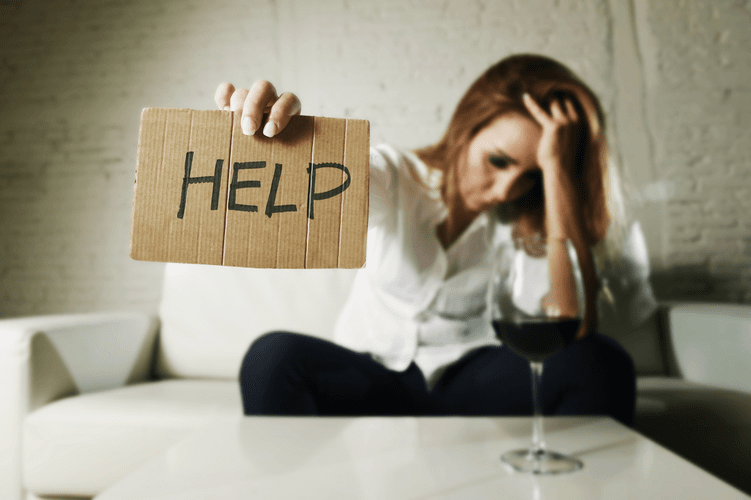
As a CNS depressant, it impacts various aspects of physical and mental functioning, leading to slowed reaction times, impaired judgment, and reduced coordination. Alcohol intensifies emotions and creates more imbalances in brain dopamine and serotonin concentrations. This causes those with depression or underlying mental health issues to feel even worse. It also lowers inhibitions, which could lead to a flood of suppressed emotions rushing to the surface. It varies, but many people start to feel depressed as alcohol’s effects fade, sometimes hours later or the next day, during a hangover. With regular drinking, that low feeling can linger, becoming a constant shadow.
Why Drinking Makes Depression Worse
These downer effects, some studies suggest, may grow more powerful after an early euphoric peak. If you are dealing with severe alcohol dependence and depression, look for healthy ways to keep yourself busy and distracted. Try out farming, solve mathematical equations and quizzes, practice yoga, draw, and try out different recipes. The more you distract your brain, the more you will adapt and overcome both setbacks. John is one UK’s leading professionals in the addiction recovery industry.
Alcohol and its Effects on Depression
Choosing to self-medicate with alcohol will only serve to reinforce the negative symptoms of these mental health disorders, contributing greatly to a worsening condition. Alcohol, depression, and anxiety are a terrible combination, but a common one. Deep-rooted emotions, as well as depression and anxiety, can cause extremely severe symptoms that get in the way of a person’s day-to-day activities.
Stopping and starting your antidepressants can make your depression worse. Doing so also could cause symptoms related to the stopping of antidepressants unless you follow medical advice. By stimulating these two regions, alcohol can make you feel more relaxed, confident, at ease, and positive overall. If you’ve ever drank alcohol to escape feelings of depression, however, you’ve probably noticed these feelings don’t last. In fact, as the effects of alcohol recede, you may actually feel more depressed. Alcohol can cause or worsen mental illness as a whole because of its effects on the central nervous system, namely, our stress response.
- For more anxious forms of depression, the experts I spoke to all pointed out, alcohol often mellows out the body and leads to earlier sleep.
- Symptoms can affect every aspect of a person’s life, and can range from mild to severe.
- However, both are multifaceted, both are unpredictable, and both can be life-limiting if enabled.
- Now imagine this for someone with a pre-existing diagnosis of depression, boosting increased susceptibility to negative changes within their response system.
- Alcohol only makes depression worse, so your risk of having suicidal thoughts or engaging in suicidal behaviors increases.
And this vicious cycle continues and is, unfortunately, very hard to break without asking for professional help. Current environmental circumstances make this only more problematic. Stress can contribute to an increase in the severity of depression. 2020 research shows that consistent exposure to stress can trigger depressive episodes. They’ll help you identify which thinking style you identify with and then help you challenge those thoughts. Taking action to manage negative emotions as you experience them can help keep them from getting too overwhelming.
People often feel ashamed of their behavior, leading to feelings of low self-worth and persistently self-critical thoughts. People with co-occurring alcohol and other drug use disorders are more likely to have psychiatric disorders such as personality, mood, depression, and anxiety disorders. Also, they are more likely to attempt suicide and to suffer health problems. The specific effects of alcohol on antidepressants depend on the antidepressant a person takes. Some people who alcohol makes depression worse take selective serotonin reuptake inhibitors may become severely intoxicated when they use antidepressants.
Even though drinking alcohol seems to help in the immediate moment, the smartest advice for anyone with depression or anxiety is to choose not to drink. Drinking inevitably exacerbates long-term issues with depression and anxiety, making symptoms worse. While you may be hesitant, the best thing to do is speak to a doctor about your disorder and find out the different options available to treat anxiety or depression. An option exists for everyone, especially with today’s highly personalized treatment programs. Contrary to the popular belief that drink, depression, and anxiety can somehow be mitigated by drinking, the opposite is true.