
In addition, addiction can affect the capacity of pregnant women to take care of themselves. Coordination with OB/GYN, pediatric and social services is prioritized to incorporate prenatal care as part of a holistic recovery approach. They face challenges like family dynamics, trauma, peer pressure and school stress that demand specialized recovery approaches. These kinds of interventions can be effective in motivating someone to seek help but they are not part of the ASAM continuum of care. Instead they are a potential first step that might lead Alcoholics Anonymous someone into an appropriate ASAM level based on their clinical needs.
Get Care
- Various types of therapies will be used throughout the recovery process, depending on your needs and the rehab program you are attending.
- Residential programs offer a living environment structured with varying levels of intensity and duration, depending on individual needs and treatment goals.
- Inpatient rehabilitation programs take place in residential facilities where individuals live while receiving intensive therapy and support to overcome drug or alcohol addiction.
- Self-medicating with substances, like drinking or taking drugs to treat symptoms of anxiety or depression, is another reason to consider rehab.
- Everything we do, every day, is focused on helping you achieve the best possible outcome and preparing you for a successful transition back home.
- It’s based on an assessment of the patient’s medical, psychological and social needs.
By creating a sober living community, individuals feel less isolated and more accountable for their actions, fostering a sense of camaraderie and mutual support. These allow residents to pay only what they can afford based on their income. The center may also offer payment plan options that allow participants to pay for treatment over time at low or no interest. Medicare and Medicaid insurance programs may also cover costs of inpatient drug rehab. For both private and government plans, coverage varies based on the plan terms, such as out-of-pocket maximums and relevant copays.

Our specialized rehabilitation programs
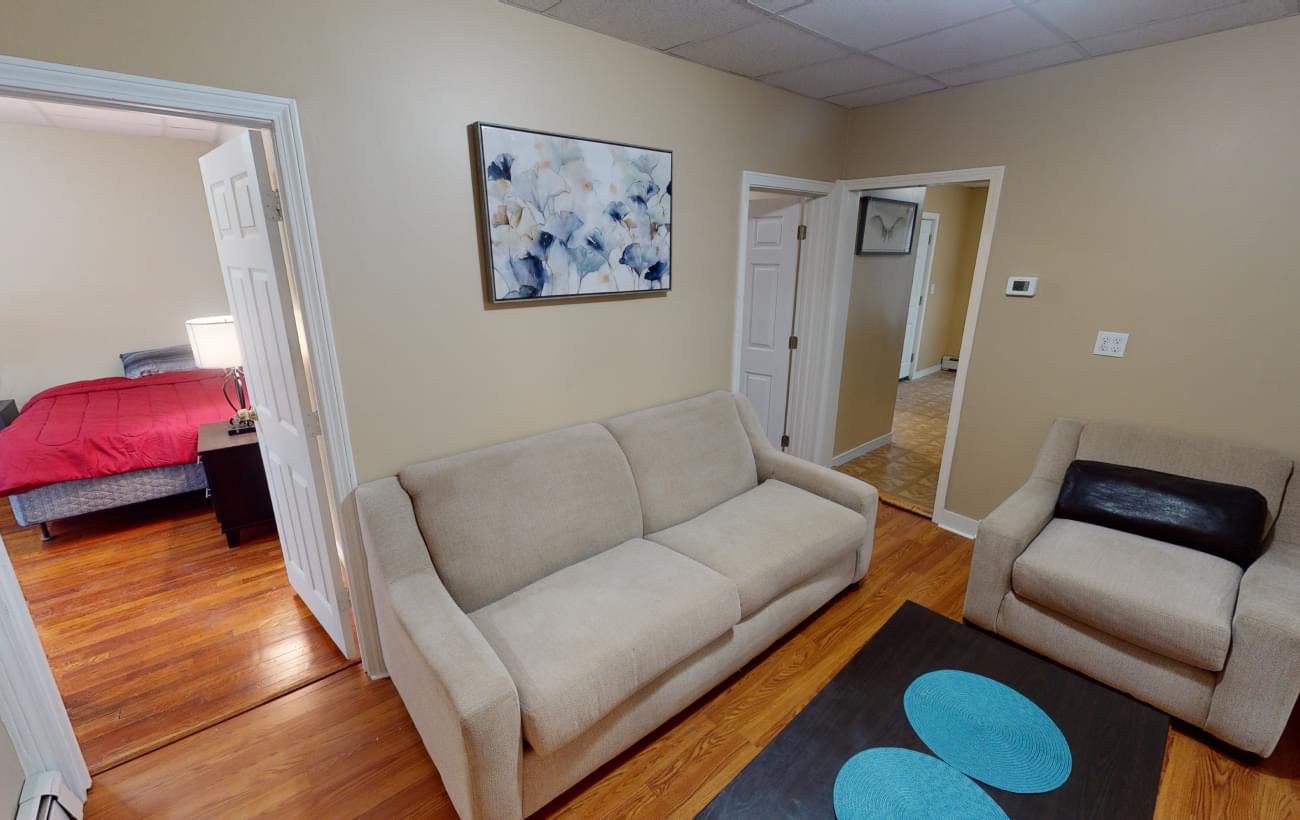
It’s important to prioritize your well-being and make the necessary arrangements to support your recovery journey. They offer people information about addiction, its effects on the brain and body, and the recovery process. This immersive approach allows people to focus entirely on their recovery inpatient vs outpatient rehab in a structured and supportive environment, free from the distractions and triggers of everyday life. Many rehab centers educate participants on mental health, addiction, and/or nutrition. Balanced nutrition can help you manage the stress of recovery and even curb withdrawal cravings.
How Long Does Inpatient Rehab Typically Last?
Integrated pain management is also a critical component of recovery programs. Aftercare is a non-numbered level of care on the ASAM continuum that reflects the modern understanding of addiction as a chronic condition where recurrence is possible and care reinitiation could be necessary. Programs such as Community Reinforcement and Family Training (CRAFT) and multidimensional family therapy (MDFT) engage the families and loved ones of adults and adolescents who are battling addiction. Each stage of the healing journey embeds prevention strategies throughout to promote lasting recovery. A sober home typically has a house manager who assigns household chores and enforces drug free environment rules. Some sober homes hold 12 Step meetings onsite, which have been shown to have positive effects on residents’ ongoing sobriety.
Planning Your Visit
This post-treatment period focuses on maintaining the progress achieved during rehabilitation. Through follow-up appointments, therapy sessions, and support groups, patients receive ongoing assistance in navigating challenges and preventing relapse. The emphasis on sustained care underscores the commitment to long-lasting recovery.
- While they often contain similar elements, there are many pros and cons to inpatient and outpatient rehab approaches.
- The components comprising inpatient programs are carefully designed to provide a thorough and structured approach to rehabilitation.
- Diversity and inclusion directly impact patient health outcomes, the patient experience and quality of life.
By removing patients from their daily environments, inpatient rehab minimizes stress and triggers, enabling them to fully focus on overcoming addiction. Choosing a facility in a location that aligns with individual preferences can improve comfort levels and encourage active participation in therapy. When individuals feel comfortable in their surroundings, they are more likely to engage fully in treatment programs and connect with peers going through similar experiences. These programs foster camaraderie among participants, creating a supportive network that promotes understanding and empathy.
Find Your Bezzy Community
Once you recognize that you need some help with an addiction, you will probably consider other options before entering a formal rehab program. Peer support groups, including 12-step groups like Alcoholics Anonymous or Narcotics Anonymous, as well as SMART Recovery or Celebrate Recovery, may be right for you. When determining what type of care you need, it’s important to understand the differences between inpatient and outpatient treatment. Alcohol rehab focuses on helping individuals overcome alcohol dependency through detox, therapy, and support groups like Alcoholics Anonymous (AA). With over 22,000 rehab centers Rehab.com’s directory is the most comprehensive solution to find a recovery facility that adapts to your preferences and budget. You can work or attend school while accessing IOP and OP programs that feature flexible scheduling that adjusts to your circumstances.